Choosing the right water heater is critical for restaurants and foodservice businesses, and Advantage Plumbing & Heating works with commercial kitchens across Edmonton to ensure hot water systems meet demand, code requirements, and long term operating needs. From dishwashing and food prep to sanitation and cleanup, reliable hot water plays a direct role in daily operations, safety standards, and customer satisfaction.
Selecting the wrong system can lead to inconsistent temperatures, downtime during peak service, or higher than expected utility costs.
Why Water Heater Selection Matters in Commercial Kitchens
Commercial kitchens use significantly more hot water than residential properties. High volume dishwashers, continuous handwashing, mop sinks, and equipment cleaning all place heavy demand on water heating systems throughout the day.
An undersized or inefficient unit can struggle to keep up during busy service hours, while an oversized system may drive unnecessary energy costs. Choosing the right balance helps ensure consistent performance while controlling operating expenses.
Key Factors to Consider When Choosing a Commercial Kitchen Water Heater
Several technical factors should be evaluated before selecting a system for a restaurant or foodservice environment.
Hot Water Capacity and Demand
The size of the water heater must match the kitchen’s peak usage. Restaurants with high seating capacity, multiple dishwashers, or extended operating hours typically require higher gallon capacity or continuous hot water output to avoid interruptions.
Recovery Rate and Performance
Recovery rate refers to how quickly a water heater can reheat water after it has been used. In commercial kitchens, fast recovery is essential to maintain steady water temperatures during busy periods. Systems with higher recovery rates are better suited for high demand environments.
Fuel Type Options
Commercial water heaters are commonly powered by natural gas or electricity. Gas systems often provide faster recovery and lower operating costs in Edmonton, while electric systems may suit smaller kitchens or locations with limited gas access. Utility rates and infrastructure should be considered when comparing options.
Energy Efficiency Ratings
High efficiency water heaters can significantly reduce long term operating costs. Energy efficient models use advanced heat exchangers, insulation, or condensing technology to reduce energy loss. While initial costs may be higher, efficiency gains can offset expenses over time.
Edmonton Utility Costs and Code Considerations
Edmonton’s utility rates and building codes play an important role in system selection. Commercial kitchens must comply with local plumbing, venting, and safety regulations, which can affect water heater type, installation location, and system size.
Gas fired systems may require specific venting and clearance standards, while electrical systems must meet load capacity requirements. Working with a professional commercial plumber helps ensure systems meet current codes and pass inspections without delays.
Comparing Common Commercial Water Heater Options
| System Type | Best For | Key Considerations |
|---|---|---|
| Storage tank | Steady, predictable use | Requires sufficient capacity |
| Tankless | Continuous hot water | Higher upfront cost |
| Gas fired | High demand kitchens | Venting requirements |
| Electric | Smaller operations | Electrical capacity limits |
Tank Water Heaters vs Tankless Systems
Traditional tank systems store a set volume of hot water and are often cost effective for kitchens with predictable demand patterns. Tankless systems heat water on demand, offering continuous hot water without storage limitations, but they may require higher gas or electrical capacity.
Choosing between these options depends on kitchen size, peak demand, and available infrastructure.
The Role of Professional Installation and Sizing
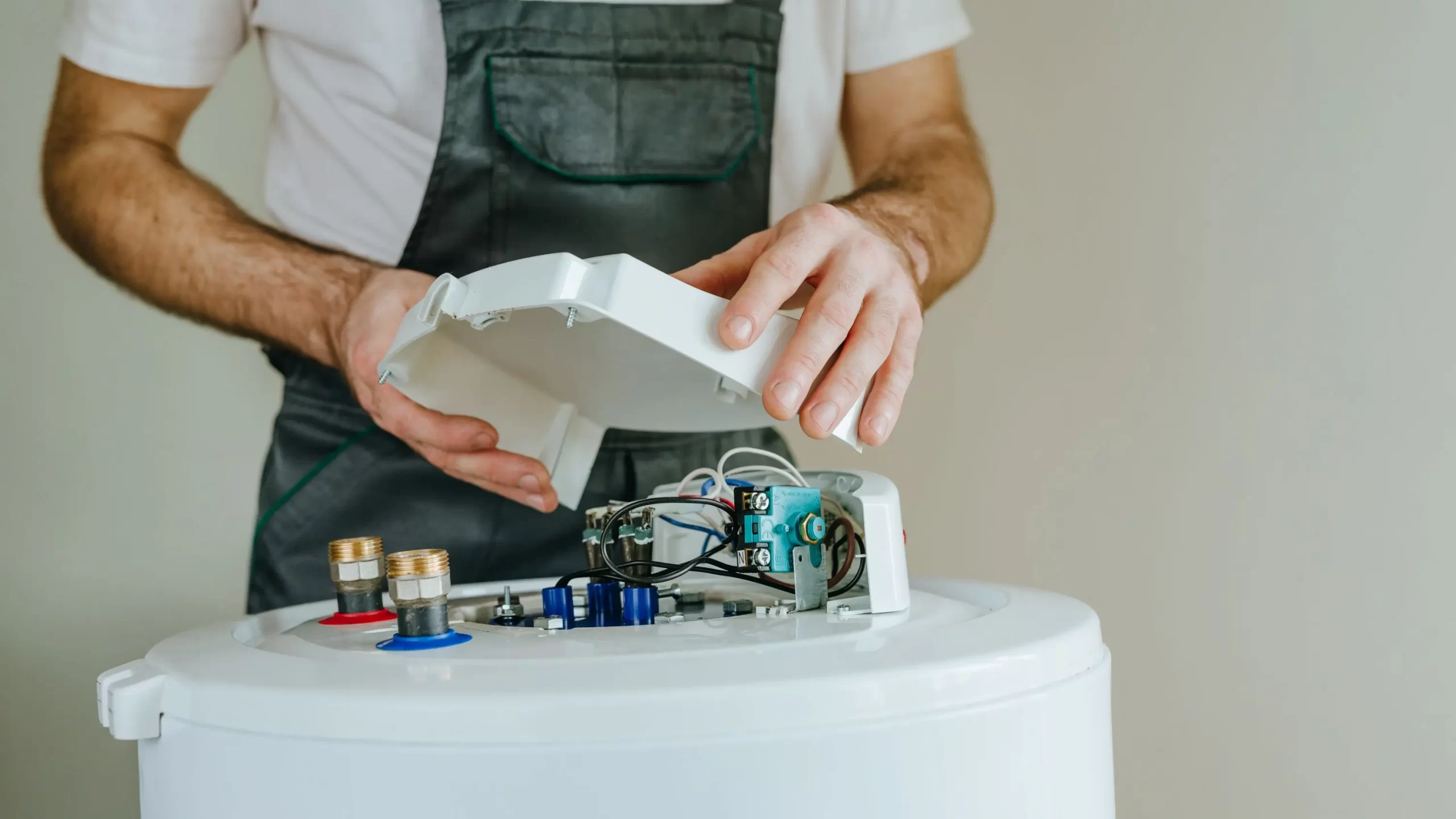
Even the best water heater can underperform if improperly sized or installed. Accurate demand calculations, proper venting, and code compliant installation are essential for long term reliability.
Businesses working with Advantage Plumbing & Heating benefit from professional assessment and installation services tailored to commercial kitchen requirements. You can explore their commercial hot water solutions through their plumbing and hot water services page.
Planning for Maintenance and Long Term Performance
Regular maintenance helps extend the life of commercial water heaters and maintain efficiency. Scale buildup, worn components, and inconsistent temperatures can all impact performance if not addressed early.
Scheduling routine inspections and servicing reduces the risk of unexpected breakdowns during peak business hours.
Making the Right Choice for Your Commercial Kitchen
Selecting the right water heater involves balancing performance, efficiency, and compliance. By evaluating capacity, recovery rate, fuel type, and local requirements, commercial kitchens can choose systems that support smooth operations and control costs.
For expert guidance on selecting and installing the right commercial water heater, businesses can visit Advantage Plumbing & Heating to learn more about their commercial plumbing capabilities. To discuss specific requirements or request service, you can contact Advantage Plumbing & Heating directly.